Essential Skills Learned in Key Marine Training
When we think about marine training, it’s easy to imagine just learning how to steer a boat or navigate the open sea. But the reality is much richer and more complex. Key marine training equips us with a wide range of skills that go beyond the basics. These skills are essential for safety, efficiency, and confidence on the water. Whether you’re a boating enthusiast, an aspiring mariner, a yacht owner, or part of a maritime business, understanding these skills can make all the difference.
Let’s dive into the essential skills learned in marine training and see how they prepare us for the challenges and joys of life at sea.
Navigational Skills: The Heart of Key Marine Training
One of the first and most important skills we develop in marine training is navigation. This isn’t just about reading a map or using a GPS. It’s about understanding the environment around us and making smart decisions to reach our destination safely.
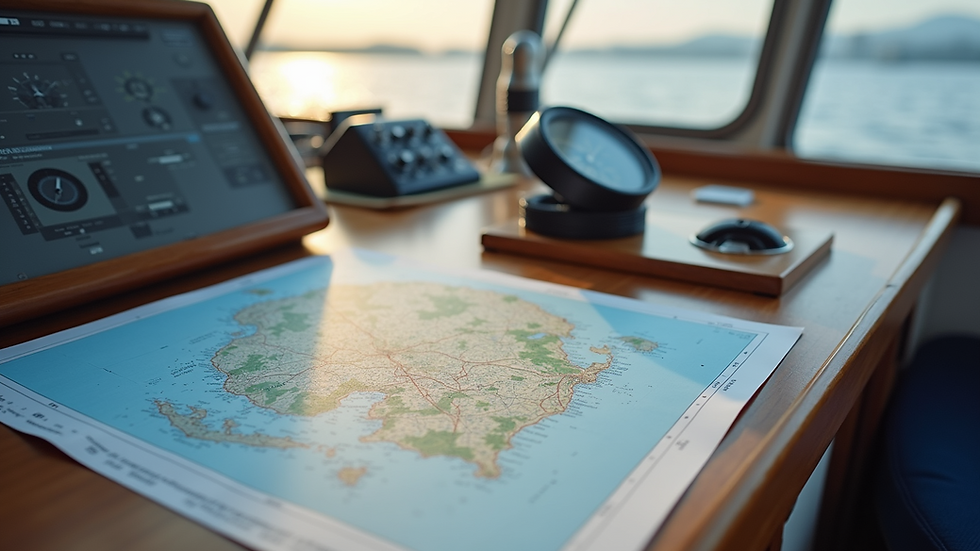
We learn to use traditional tools like compasses and charts, alongside modern electronic navigation systems. This combination ensures we’re prepared for any situation, even if technology fails. For example, knowing how to plot a course manually can save the day if your GPS stops working.
In addition, marine training teaches us to interpret weather patterns and tides. This knowledge helps us avoid dangerous conditions and plan our trips more effectively. We also get hands-on experience with radar and sonar, which are crucial for detecting obstacles and other vessels, especially in poor visibility.
By mastering these navigational skills, we gain confidence and independence on the water. It’s empowering to know that we can find our way, no matter where we are.
Seamanship and Boat Handling: Building Practical Confidence
Seamanship is the art of operating and managing a boat safely and efficiently. This part of key marine training is all about practical skills that we use every time we’re on the water.
We learn how to handle different types of vessels, from small dinghies to large yachts. This includes understanding how boats respond to wind, waves, and currents. For instance, we practice docking and undocking, which can be tricky but becomes second nature with the right training.
Another critical skill is rope work. We get hands-on experience with knots, lines, and mooring techniques. Knowing how to tie the right knot for the right situation is essential for securing the boat and ensuring safety.
Emergency procedures are also a big part of seamanship. We train in man-overboard drills, fire fighting, and first aid. These skills are vital because they prepare us to act quickly and effectively in emergencies, potentially saving lives.
Seamanship training boosts our confidence and makes us more competent operators. It’s about respect for the vessel and the environment, combined with practical know-how.
Communication and Teamwork: Essential for Safety and Efficiency
Marine training isn’t just about individual skills. It also teaches us how to work as part of a team and communicate clearly. This is especially important on larger vessels or when sailing with a crew.
We learn to use marine radios and other communication devices properly. Clear communication can prevent accidents and ensure everyone knows what’s happening. For example, during a manoeuvre, precise instructions and confirmations keep the operation smooth and safe.
Teamwork skills are developed through exercises that simulate real-life scenarios. We practice coordinating tasks, sharing responsibilities, and supporting each other. This builds trust and improves overall performance.
Good communication also extends to understanding maritime signals and flags. These are universal languages at sea, and knowing them helps us interact safely with other vessels.
By honing these skills, we create a safer and more enjoyable experience for everyone on board.

Safety and Emergency Preparedness: Staying Ready for Anything
Safety is at the core of all marine training. We learn to anticipate risks and respond effectively to emergencies. This training covers a wide range of scenarios, from bad weather to equipment failure.
One of the first things we master is the use of personal flotation devices and safety harnesses. We also get familiar with life rafts, flares, and other emergency equipment. Knowing how to deploy these quickly can be lifesaving.
Fire safety is another critical area. We practice using fire extinguishers and learn how to prevent fires on board. This includes understanding the types of fires that can occur and the best ways to tackle them.
First aid training is integrated into marine courses as well. We learn how to treat common injuries and illnesses that might happen at sea. This knowledge is invaluable, especially when medical help is far away.
Finally, we train in emergency drills like abandon ship and man-overboard procedures. These drills build muscle memory and reduce panic during real emergencies.
By prioritising safety and emergency preparedness, we protect ourselves, our crew, and our vessels.
Environmental Awareness and Sustainable Practices
Marine training also teaches us to respect and protect the marine environment. This is increasingly important as we become more aware of our impact on oceans and waterways.
We learn about local regulations and best practices for waste disposal, fuel management, and wildlife protection. For example, avoiding sensitive habitats and reducing plastic use are key actions we take.
Sustainable boating practices include using eco-friendly products and minimising noise pollution. These efforts help preserve the beauty and health of marine ecosystems for future generations.
Understanding environmental stewardship is part of being a responsible mariner. It’s about enjoying the sea while giving back to it.
Taking the Next Step with Professional Marine Training Services
If you’re ready to develop these essential skills and more, consider enrolling in professional marine training services. These courses offer expert guidance, hands-on experience, and certification that can open doors to new opportunities.
Whether you want to improve your personal boating skills or enhance your business operations, investing in quality training is a smart move. It’s the foundation for safe, confident, and enjoyable time on the water.
Embracing the Journey Ahead
Learning key marine training skills is an exciting journey. Each skill we acquire builds our confidence and competence, making every trip safer and more rewarding. From navigation to safety, communication to environmental care, these skills shape us into capable mariners ready to face the challenges of the sea.
So, let’s embrace the adventure, keep learning, and enjoy every moment on the water. The sea is waiting, and with the right training, we’re ready to sail into new horizons.